
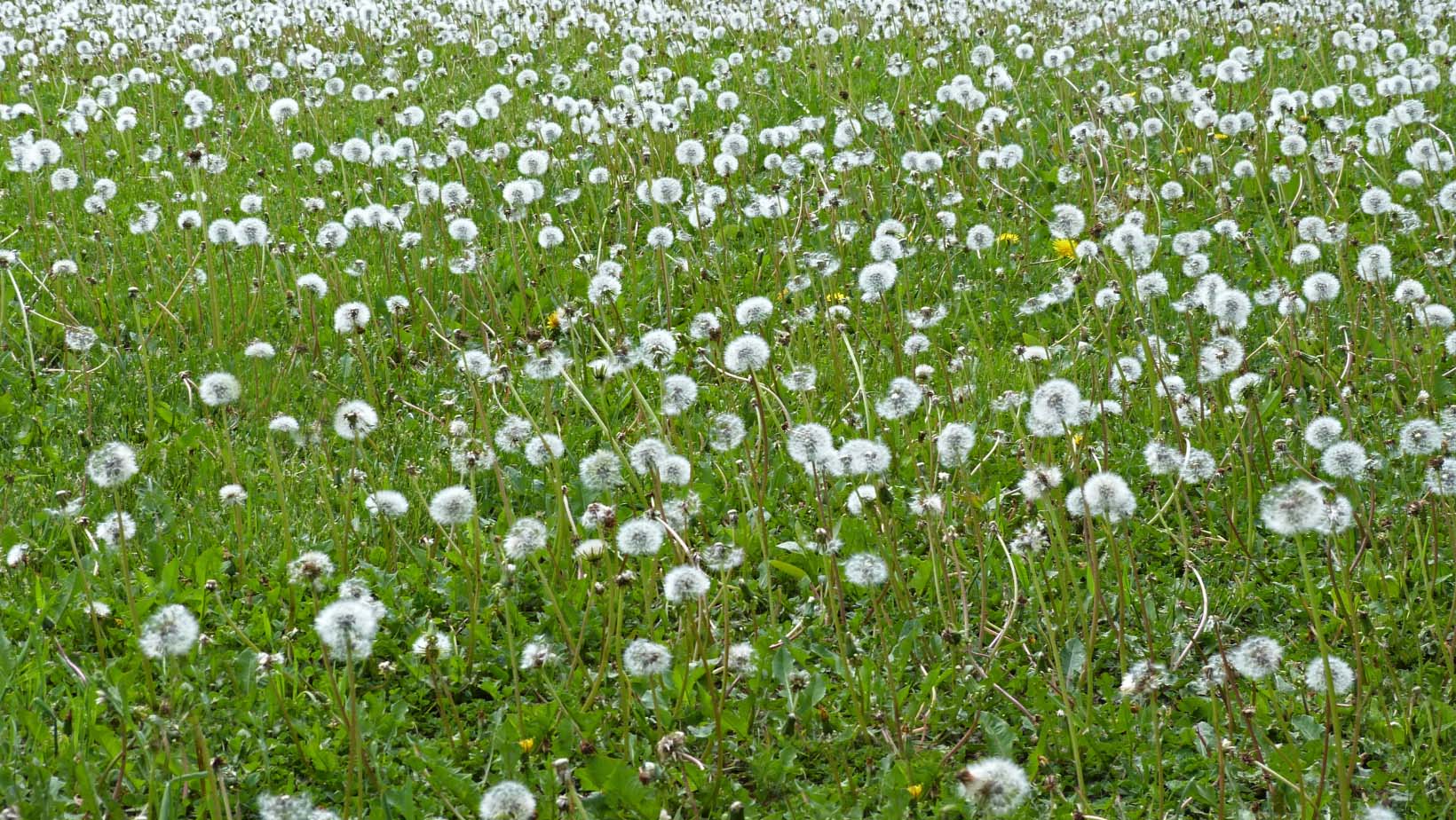
Maintaining a pristine, lush green lawn is every homeowner’s dream, but dandelions can quickly turn that dream into a nightmare. These persistent weeds not only disrupt the appearance of your lawn but also compete with your grass for nutrients, water, and sunlight. In this comprehensive guide, we’ll walk you through everything you need to know about dandelions and how to effectively remove them from your lawn, ensuring it stays healthy and beautiful.
Dandelions, scientifically known as Taraxacum officinale, are one of the most common and resilient perennial weeds. Recognizable by their bright yellow flowers and fluffy seed heads, these plants have a life cycle that allows them to spread rapidly. Dandelions thrive in a variety of conditions and can take root almost anywhere, making them a formidable opponent for homeowners. Their seeds are dispersed by the wind, allowing them to colonize large areas quickly.
Why Are Dandelions Problematic?
Dandelions are more than just an eyesore. They have a deep taproot system that can penetrate up to 10 inches into the soil, making them difficult to eradicate. This taproot allows dandelions to access water and nutrients deep in the soil, often at the expense of your grass and other plants. If the root isn’t fully removed, the dandelion can regenerate, often returning stronger than before. Additionally, their rapid reproduction through seeds means that a few dandelions can quickly become an infestation if not managed properly.
How to Get Rid of Dandelions in Your Yard
Preventive Measures
1. Proper Law Maintenance
The best defense against dandelions is a healthy, well-maintained lawn. Start by mowing your grass at the recommended height, typically around 3 inches for most grass types. Taller grass shades the soil, making it harder for dandelion seeds to germinate. Regularly fertilize your lawn to promote dense grass growth, which can outcompete dandelions for space, sunlight, and nutrients. Watering your lawn deeply and infrequently encourages deep root growth, further strengthening your grass’s ability to fend off weeds.
2. Soil Health
Healthy soil is the foundation of a weed-free lawn. Conduct a soil test to determine the pH and nutrient levels. Dandelions prefer slightly acidic to neutral soils (pH 6.5 to 7.5), so if your soil is too acidic or alkaline, it can create an environment where dandelions thrive over grass. Adjust your soil pH as needed by applying lime to raise pH or sulfur to lower it. A balanced pH not only discourages dandelions but also supports the optimal growth of your grass.
3. Overseeding
Overseeding involves spreading grass seed over your existing lawn to fill in thin or bare areas. By thickening your lawn, you reduce the space available for dandelions to take root. The best time to overseed is in the early fall or spring when the soil is warm, and moisture levels are adequate. Choose a grass seed that is well-suited to your region and lawn conditions for the best results.
Manual Removal Techniques
1. Hand Pulling
Hand pulling is one of the most effective and environmentally friendly ways to remove dandelions, especially if you catch them early. To do this, wait until the soil is moist, either after rain or watering, as this makes it easier to remove the entire root. Use a dandelion weeder or a similar tool to dig around the base of the dandelion, loosening the soil. Grasp the dandelion at the base and gently pull, ensuring you extract the entire taproot. If any part of the root is left behind, the dandelion can regrow.
2. Digging
For more established dandelions, digging might be necessary. Using a garden fork or spade, carefully dig around the dandelion to expose the root. Try to remove the entire root system without breaking it, as any remaining pieces can regenerate. This method is particularly effective for large infestations, but it can leave holes in your lawn that need to be filled in with soil and grass seed afterward.
Chemical Control Methods
Selective Herbicides
Selective herbicides are designed to target broadleaf weeds like dandelions without harming your grass. These products are available in liquid or granular forms and can be applied directly to the affected areas. For best results, apply herbicides in the spring or fall when dandelions are actively growing. Be sure to follow the manufacturer’s instructions carefully, paying attention to dosage, timing, and safety precautions. Using selective herbicides can be highly effective, but they should be part of a broader lawn care strategy to ensure long-term results.
Non-Selective Herbicides
Non-selective herbicides kill all plant life they come into contact with, so they should be used with caution. These are best reserved for spot treatments in areas where dandelions are particularly stubborn, or in situations where you are willing to replant after treatment. When applying non-selective herbicides, use a targeted approach to minimize damage to surrounding plants. Consider using a shield or covering desirable plants nearby to protect them from overspray.
Organic and Natural Methods
Vinegar Spray
Vinegar is a natural and cost-effective way to kill dandelions. A solution of household vinegar (acetic acid) can be sprayed directly onto the leaves of dandelions, causing them to wilt and die. For added potency, use horticultural vinegar, which has a higher acetic acid concentration. Apply on a sunny day when rain is not expected, as moisture can dilute the vinegar and reduce its effectiveness. Be aware that vinegar can also kill grass and other plants, so apply it carefully to avoid damaging your lawn.
Boiling Water
Boiling water is another natural method that can be used to kill dandelions. Simply pour boiling water directly onto the dandelion, focusing on the center of the plant. This method works best on smaller infestations or isolated weeds. The boiling water will kill the dandelion’s leaves and root system, but it can also harm surrounding grass. Use this method selectively to avoid damaging your lawn.
Mulching
Mulching is a preventive technique that involves covering the soil with a layer of organic material, such as wood chips or straw. By blocking sunlight, mulch prevents dandelion seeds from germinating and taking root. This method is particularly effective in garden beds and around trees, where dandelions are common. Apply a 2- to 3-inch layer of mulch around your plants, being careful not to pile it directly against tree trunks or plant stems, which can cause rot.
Post-Removal Lawn Care
Repairing Lawn Damage
After removing dandelions, your lawn may have bare spots or damaged areas. It’s important to repair these areas promptly to prevent new weeds from taking hold. Start by loosening the soil in the affected area and adding fresh topsoil if needed. Reseed the area with grass seed appropriate for your lawn type, then water it thoroughly. Keep the area moist until the grass has germinated and established itself.
Continued Monitoring
Even after successfully removing dandelions, it’s essential to regularly monitor your lawn for any new growth. Dandelion seeds can remain dormant in the soil for years, so staying vigilant is key to maintaining a weed-free lawn. Conduct regular inspections, particularly in the spring and fall, and address any new dandelions promptly before they have a chance to spread.
Conclusion
Removing dandelions from your lawn requires a combination of proper lawn care, manual removal, and, when necessary, the use of herbicides or natural methods. By understanding how dandelions grow and implementing these strategies, you can keep your lawn looking its best. Remember, consistency is key—regular maintenance and prompt action are your best defenses against these persistent weeds. Take the time to care for your lawn, and enjoy the satisfaction of a beautiful, dandelion-free landscape.
FAQs
Will dandelions grow back after pulling them?
Yes. If part of the taproot remains in the soil, the plant can regrow.
What kills dandelions permanently?
Removing the entire taproot is the most effective long-term solution. Selective herbicides can also help control persistent infestations.
Is vinegar better than weed killer?
Vinegar can kill the leaves of dandelions, but it may not always destroy the entire root system.
What month is best for killing dandelions?
Fall is often considered the most effective time because dandelions move nutrients into their roots before winter.
You May Also Like
- How to Improve Soil for a Healthier Lawn
- Common Lawn Weeds and How to Control Them
- Best Natural Weed Killers for Home Gardens
- Spring Lawn Care Tips for Beginners
- How to Overseed a Thin Lawn
0 Comments